


Walking after meals for weight loss works best when you keep it simple. Start within 10 minutes after eating and go for 10 minutes. Keep an easy-to-brisk pace you can repeat daily. In my experience, that tiny habit does three big things. First, it blunts post-meal blood sugar spikes. Next, it tames the “snack gremlins” later. Finally, it quietly bumps up your daily calorie burn without wrecking your knees or your schedule.
I started doing post-meal walks when my afternoons kept turning into a nap-and-snack spiral (you know the one). Surprisingly, the walks didn’t need to be long. They just needed to be consistent. Also, timing mattered more than I expected. In particular, dinner was my trouble spot. I used to park myself on the couch “for a minute” and then… oops, it’s bedtime.
If you’re pairing these walks with a higher-protein approach (which I personally like because it keeps hunger calmer), a basic whey protein powder can be a convenient add-on. It’s especially helpful on busy days when cooking a whole meal isn’t happening. However, the walk habit still matters even if your nutrition isn’t “perfect.” So don’t wait for a flawless plan before you start.
One quick note before we get into the timing framework: this isn’t magic. Still, it’s one of the most “boring but effective” tools I’ve used. That’s because it’s low friction. Therefore, it’s easier to keep doing it next week. And that’s where the results come from.
what’s walking after meals for weight loss, exactly?
It’s a short, intentional walk right after you eat (not an hour later). Essentially, you’re using light movement to help your body handle the meal. This matters most after carb-heavy meals. For fat loss, the win is indirect. Better blood sugar control can reduce cravings. Plus, more daily movement raises your total energy burn over time.
Research backs the blood sugar part up. For example, a review in Sports Medicine found that breaking up sitting time with light activity, including short walks, improves postprandial (after-meal) glucose and insulin responses (source). On top of that, another review suggests even brief bouts of after-meal walking can meaningfully lower post-meal glucose compared with standing or sitting (source). Finally, for a deeper walk-and-glucose overview, check the American Diabetes Association guidance (ADA resource).
According to a 2024 report by the American Diabetes Association, about 11.6% of the U.S. population has diabetes. Research from the CDC also estimates roughly 38% of U.S. adults have prediabetes. Those numbers don’t mean you’re doomed. However, they do show why small, repeatable habits matter.
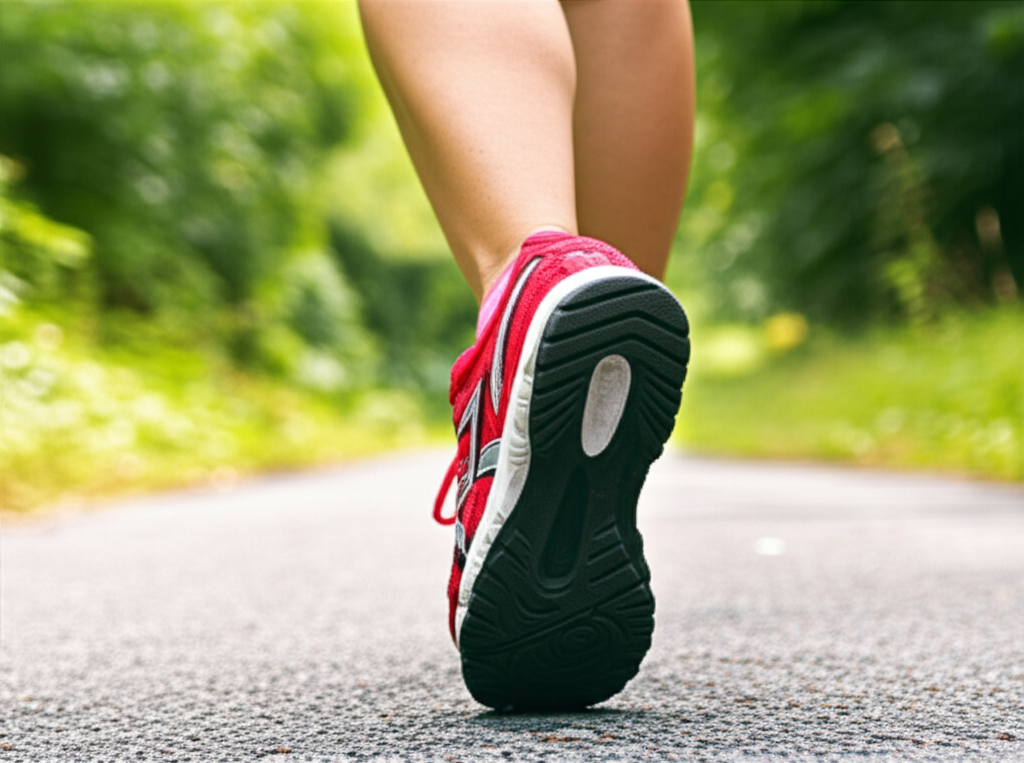
When should you walk after breakfast, lunch, and dinner?
Here’s my simple timing framework: start walking 5–10 minutes after you finish eating. That’s it. Not 45 minutes later. Not “whenever you remember.” If you can only remember one rule, make it this one.
After breakfast
Best timing: 5–10 minutes after your last bite.
Why it helps: It reduces the “wired then tired” crash for a lot of people. And, it sets your step count up early. As a result, that momentum tends to snowball into a more active day.
My reality tip: If mornings are chaotic, do a 7–10 minute loop around your block. You can also walk inside your house. In fact, I’ve paced while my coffee brewed. Not glamorous, but it worked.
After lunch
Best timing: 5–15 minutes after lunch.
Why it helps: Lunch is where many people get hit with cravings at 3–4 pm. Because of this, a short walk can act like a “reset button.”
My reality tip: If you’re at work, do a lap of the building. Alternatively, walk to refill your water. You can even take a phone call while walking. Besides, it’s a sneaky way to get sunlight and a mental break.
After dinner
Best timing: 5–10 minutes after dinner (sooner is usually better).
Why it helps: Dinner is often the biggest meal. Also, evenings are where mindless snacking happens. Therefore, a post-dinner walk can separate “dinner is done” from “kitchen is still open.”
My reality tip: Keep it easy. If you go too hard at night, your sleep might get weird. Also, the goal is consistency, not punishment.
How long should your post-meal walk be?
If you want the simplest answer: 10 minutes. That’s enough to matter. It’s also short enough that you’ll actually do it.
Could you do 20 minutes? Sure. However, the mistake I see (and I’ve done it myself) is going big on Day 1. Then you skip Day 4 because life happened. Interestingly, short walks are “sticky.” Longer ones can turn into a project.
For a reality-based calorie view: walking burns roughly 3–5 METs depending on pace. For many adults, that often lands around 150–300 calories per hour. Ten minutes isn’t huge. Still, it adds up fast when it’s daily. Meanwhile, appetite and blood sugar effects can be the bigger payoff.
What pace should you walk (easy vs brisk)?
I like using cues you can feel instead of obsessing over heart-rate zones. That way, you won’t overthink it. Plus, you’ll stay consistent.
Easy pace (the “I can talk” walk)
- You can speak full sentences comfortably.
- Your breathing is a little heavier than sitting, but not huffy.
- It feels almost too easy—especially the first few days.
This is perfect for beginners and right after big meals. It’s also great if you’re managing joint pain. Also, it’s easier to do after dinner without revving up your nervous system.
Brisk pace (the “I can talk, but I don’t want to” walk)
- You can talk in short phrases, not paragraphs.
- You feel warm by minute 4–5.
- You finish feeling energized, not wrecked.
This is the sweet spot once you’ve got the habit. Notably, brisk doesn’t mean running. It just means purposeful.
Does walking after meals really help blood sugar and appetite?
Yes, for many people. Mechanistically, walking helps muscles pull glucose from the bloodstream. That can reduce the post-meal spike. And, steadier blood sugar often means fewer sudden hunger swings later.
Here’s a stat that surprised me when I first started reading about this: the CDC estimates that 38.4 million Americans have diabetes, and 97.6 million adults have prediabetes (source). So, even small lifestyle tools that support glucose management can be a big deal. That’s true even beyond fat loss.
Now, will a 10-minute walk erase a high-sugar meal? No. However, it can nudge things in the right direction. Most importantly, consistency is what counts.
A beginner-friendly 2-week plan you can actually follow
This is the plan I give friends when they tell me, “I’m not a cardio person.” Good. You don’t need to be. You just need a repeatable routine.
Week 1: Build the habit (don’t get cute)
- Days 1–3: Walk 10 minutes after one meal (pick the easiest meal to attach it to).
- Days 4–7: Walk 10 minutes after two meals (usually lunch + dinner works well).
Intensity: Easy pace. Specifically, you should finish thinking, “That was fine.”
Consistency trick: Put your shoes by the door (or pick a “walking shoe” you only use for this). And, set a timer for 10 minutes so you don’t negotiate with yourself. If you forget, that’s okay. Just restart at the next meal.
Week 2: Add a little intent (still keep it doable)
- Days 8–10: Walk 10 minutes after two meals; make minutes 4–8 brisk.
- Days 11–14: Walk 10 minutes after two meals; make minutes 3–9 brisk (still not breathless).
Optional bonus: If you want a third walk, add a 5-minute “dessert walk” after dinner. It sounds silly. It also works.
What common mistakes kill results?
I’ve watched people sabotage a good idea with “more is better” thinking. Here are the big ones. And yes, I’ve done a few of them.
1) Going too long
If you turn your post-meal walk into a 45-minute march, you’ll start skipping it when you’re busy. Therefore, you lose the streak. And that’s the whole point. Keep it short enough that it feels almost automatic.
2) Going too hard
Brisk is good; gasping isn’t. Also, if you push too hard right after eating, you might get stomach cramps or feel nauseous. As a result, you’ll associate the habit with discomfort and stop doing it.
3) Being inconsistent (the sneaky one)
Walking after meals for weight loss is a “tiny totals” strategy. Missing occasionally is fine. However, doing it randomly (twice one week, zero the next) won’t give you enough repetitions to see changes in cravings, energy, or scale trends.
4) Treating it like permission to overeat
This is the mental trap: “I walked, so I earned dessert.” Sometimes that’s fine—life is for living. Still, if that thought becomes daily, the math won’t work out.
5) Not tracking anything at all
You don’t need to count every calorie. But, I recommend tracking one thing for two weeks. Pick your post-meal walk streak, your average daily steps, or your waist measurement. Otherwise, it’s too easy to quit right before the benefits show up.
Can you lose weight with only post-meal walks?
Sometimes, yes—especially if you’re currently very sedentary and these walks push you into a consistent calorie deficit. However, it’s more reliable when you combine them with basic nutrition habits. Aim for protein at each meal. Add high-fiber carbs. And try to protect your bedtime.
Also, don’t sleep on steps. A large study in JAMA found that higher daily step counts were associated with lower mortality risk. Benefits increased up to around 8,000 steps per day (source). Weight loss isn’t the same outcome, obviously. Still, it’s a strong argument for making walking a daily non-negotiable.
If you want a more structured approach beyond walking—workouts, progression, and a full fat-loss framework—this is one program some readers like. I’m not into gimmicks, but I am into plans that remove decision fatigue. So if you need structure, it can help.
My quick summary (so you don’t overthink it)
For walking after meals for weight loss, aim for a 10-minute walk starting within 10 minutes of finishing breakfast, lunch, or dinner. Keep week one easy. Then add a few brisk minutes in week two. Most importantly, don’t make it so intense or long that you can’t repeat it tomorrow. You’ve got this, and you don’t need perfection.
[content-egg-block template=offers_list]