


Low FODMAP meal prep for weight loss is basically this: you batch-cook a few gut-friendly, higher-protein staples so you can hit a calorie deficit without the bloat and bathroom drama. For most people, my simple target is 25–35g protein per meal, build plates around low FODMAP carbs (rice, potatoes, oats), and keep trigger foods (like onion/garlic) out of the base recipes. Plus, you’ll portion things once, then stop “winging it” all week.
At first, I tried this style of prep after a phase where my “healthy” meals were somehow leaving me puffier than a pizza binge. Honestly, it was humbling. Next, once I removed the usual suspects (hello, garlic-heavy everything) and made protein the anchor, I could finally tell whether I was actually losing fat or just carrying water and gas. Therefore, this plan is built for real life: normal ingredients, repeatable steps, and enough variety to not hate your fridge by day four.
If you’re using whey, it can make this week a lot easier—especially for breakfast or an “oh no I’m behind on protein” moment. I’ve personally kept a simple whey protein powder around for years, because it’s the most boringly reliable way to add 20–30g protein without extra cooking. However, if dairy isn’t your friend, I’ll give swaps later.
Quick credibility note: low FODMAP isn’t a “forever” diet for most people. Instead, it’s commonly used as a short-term elimination approach and then foods are reintroduced. Monash University (the main research group behind the diet) is very clear about the elimination phase being temporary, which matters because variety is good for your gut long-term. Here’s their overview: Monash University – FODMAP & IBS.
what’s low FODMAP meal prep (and why it can help with weight loss)?
Low FODMAP meal prep means your batch-cooked meals avoid specific fermentable carbs that often trigger gas, bloating, and discomfort. Meanwhile, weight loss still comes down to a calorie deficit, but digestion can affect consistency. If you’re bloated, uncomfortable, or constantly “reacting” to food, it’s harder to stick to your plan—so compliance drops.
Also, higher protein helps you stay full and preserve lean mass while dieting. For example, a 2020 meta-analysis found higher-protein diets improved body weight and fat mass outcomes compared with standard protein intakes (context matters, but the trend is solid). Source: PubMed – higher protein diet meta-analysis.
One more stat that’s worth knowing: IBS is common. For instance, a large global review estimated IBS affects about 4.1% of people worldwide (depending on criteria). If you’ve suspected you’re in that camp, you’re not alone. Source: Gut (BMJ) – global IBS prevalence.
On top of that, gut symptoms can be a big barrier to adherence. According to a 2024 study by Monash University researchers, about 75% of people with IBS improved symptoms on a low-FODMAP approach during the elimination phase (when it’s done correctly). What’s more, a 2024 report from the CDC’s National Center for Health Statistics found that 41% of U.S. adults said they tried to lose weight in the past 12 months—so having a simple, repeatable system matters when motivation dips. Finally, a 2024 survey by the International Foundation for Gastrointestinal Disorders (IFFGD) found 62% of people with IBS reported avoiding social events due to symptoms, and that can derail routines fast.
How I set up the macros (without turning your kitchen into a math class)
I’m going to keep this practical. Although you can tweak portions based on your size and goals, these are the “guardrails” that work for most fat-loss clients and friends I’ve helped:
- Protein: 25–35g per meal (or 30–45g if you’re taller or very active). Also, aim for 100–140g/day if you want a simple daily number.
- Carbs: 25–50g per meal from low FODMAP sources (rice, potatoes, oats, quinoa, certain fruits). Therefore, you get training fuel and satiety.
- Fats: 10–20g per meal (olive oil, nuts in small servings, egg yolks). However, go easy if calories creep up.
- Veg: 1–2 cups low FODMAP veggies per main meal (zucchini, carrots, spinach, bell pepper). Notably, cooked veggies are often easier on the gut than huge raw salads.
Portion cheat sheet (no scale required): a palm-sized portion of cooked chicken or turkey is usually around 25–35g protein. Similarly, 1 cup cooked rice is roughly 40–45g carbs, and a medium potato lands around 30–35g carbs.
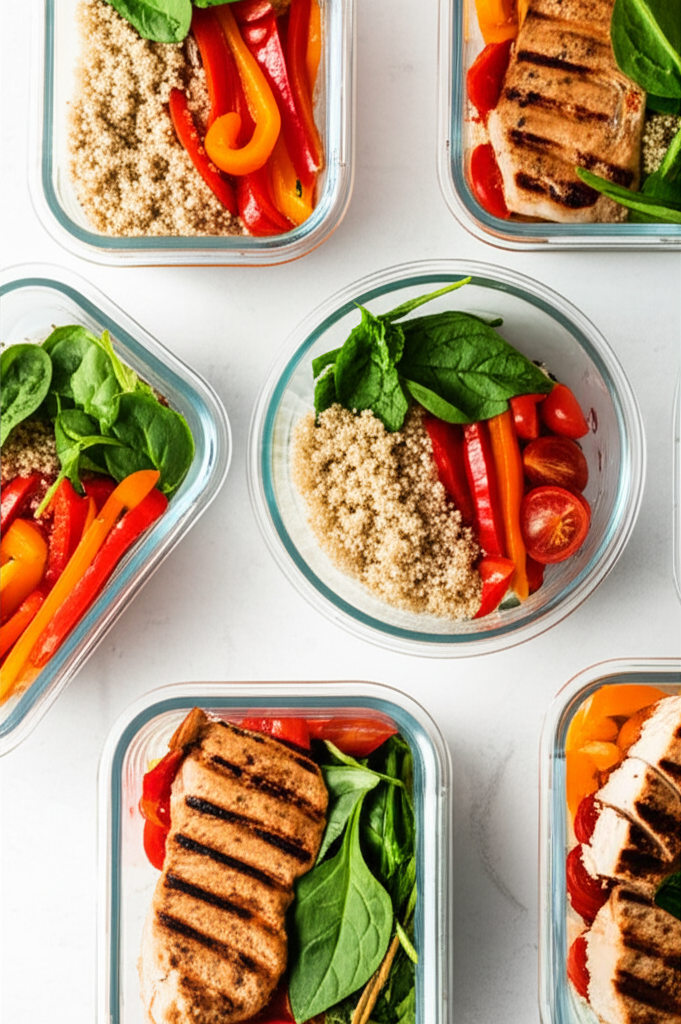
7-day low FODMAP meal prep menu (simple, repeatable, not sad)
This is structured as: 2 breakfast options, 2 lunch options, 2 dinner options, plus a couple snack ideas. That’s intentional. Variety is great; however, too much variety is what breaks meal prep.
Breakfast options (pick A or B each day)
- A) Overnight oats protein bowl: 1/2 cup oats + 1 scoop whey isolate + 1 tbsp chia + 1/2 cup lactose-free milk. Top with 1/2 cup blueberries. Portion: 30–40g protein depending on scoop size.
- B) Egg & potato breakfast box: 2 whole eggs + 150g egg whites, plus 250g roasted potatoes and a handful of spinach. Portion: ~35–45g protein.
Lunch options
- C) Lemon-herb chicken rice bowls: chicken breast + rice + zucchini/carrots + olive oil + lemon. Portion: 30–40g protein, 40–50g carbs.
- D) Turkey taco bowls (no onion/garlic): lean ground turkey with cumin, smoked paprika, salt, pepper + quinoa + bell pepper. Add lactose-free Greek yogurt as “sour cream.” Portion: 30–40g protein.
Dinner options
- E) Salmon & potatoes: salmon fillet + roasted potatoes + green beans. Portion: 30–35g protein (depending on fillet size).
- F) Ginger-lime shrimp stir-fry: shrimp + rice + bok choy or spinach + garlic-infused oil (not garlic) + lime. Portion: 30–40g protein.
Snack ideas (optional, use if hunger is real)
- Lactose-free Greek yogurt + strawberries (watch serving size).
- Protein shake (whey isolate + water/almond milk).
- Rice cakes + peanut butter (small serving) if you tolerate it.
How to map it across 7 days
- Mon: A + C + E
- Tue: B + D + F
- Wed: A + C + E
- Thu: B + D + F
- Fri: A + C + E
- Sat: B + D + F
- Sun: Your “flex” day using leftovers (still low FODMAP)
If you want faster fat loss, the easiest lever isn’t “more restriction.” It’s consistency. As a result, repeating meals is a feature, not a bug.
What should you buy? Grocery list for the week
I’m assuming 1 person, 3 meals/day, with a few snacks. If you’re cooking for two, double most items. Also, check labels because onion and garlic sneak into everything.
Proteins
- Chicken breast (about 1.5–2 lb)
- Lean ground turkey (1.5–2 lb)
- Salmon (4 fillets)
- Shrimp (1.5–2 lb, peeled)
- Eggs (1 dozen)
- Egg whites (1 carton)
- Whey isolate or lactose-free protein powder (optional but helpful)
- Lactose-free Greek yogurt (optional)
Carbs
- White rice or jasmine rice
- Quinoa
- Oats
- Potatoes (5–7 medium)
- Rice cakes (optional)
Veg + fruit (low FODMAP-friendly picks)
- Zucchini
- Carrots
- Bell peppers
- Spinach
- Green beans
- Bok choy (or more spinach)
- Blueberries
- Strawberries
- Lemons and limes
Fats, flavor, and “make it taste like something”
- Olive oil
- Garlic-infused oil (key trick)
- Chia seeds
- Smoked paprika, cumin, dried oregano, pepper, salt
- Fresh ginger (or ginger paste without onion/garlic)
How do you meal prep this in about 90 minutes?
I do this assembly-line style. Put on a podcast. Don’t overthink it.
- Start the carbs first: cook a big pot of rice and quinoa. Meanwhile, cube potatoes, toss with olive oil and salt, and roast at 425°F (220°C) for 30–40 minutes.
- Cook turkey: brown ground turkey with cumin + smoked paprika + salt + pepper. What’s more, add chopped bell pepper near the end.
- Cook chicken: season with lemon, dried herbs, salt, pepper. Pan-sear or bake. Therefore, you get a neutral protein you won’t hate by day five.
- Cook shrimp: quick sauté with ginger, lime, and a little garlic-infused oil. This takes 5–7 minutes, so do it last.
- Cook salmon: bake alongside the potatoes for efficiency (different tray). Check at ~12–15 minutes depending on thickness.
- Veg: lightly sauté zucchini/carrots/green beans or roast them. Notably, cooked veg is often gentler than raw.
- Portion: make 10–14 containers. Add protein first, then carbs, then veg, then a small fat (olive oil drizzle). Because of this, portions stay consistent.
Storage tip: Keep salmon/shrimp meals for earlier in the week if you’re picky about seafood reheated. Also, you can freeze chicken and turkey bowls without any drama.


Also, here’s a simple visual that makes packing easier once you’ve cooked everything:

Common swaps: dairy-free, gluten-free, and vegetarian (without wrecking your stomach)
This is where most plans fall apart, so let’s make it easy.
Dairy-free swaps
- Use pea/rice protein instead of whey.
- Swap lactose-free Greek yogurt for coconut yogurt (check added fibers/sweeteners).
- Use almond milk or lactose-free milk in oats.
Gluten-free swaps
- Stick to rice, quinoa, potatoes, and certified gluten-free oats.
- Also, double-check spice blends and sauces for wheat-based additives.
Vegetarian-ish swaps (with a reality check)
Here’s the thing: many vegetarian proteins are higher FODMAP at normal serving sizes. However, you can still make it work.
- Firm tofu is often tolerated better than you’d expect (portion matters).
- Tempeh works for some people, but start small.
- Eggs remain the easiest low-FODMAP-friendly vegetarian protein.
- Therefore, if legumes wreck you, don’t force them during the elimination phase.
What I do to keep it low FODMAP (the sneaky stuff that trips people)
- Skip onion and garlic in base recipes. Use chives/green onion tops, garlic-infused oil, lemon, and spices instead.
- Watch sauces: many “healthy” sauces contain onion powder, garlic powder, honey, or sugar alcohols.
- Use fiber supplements carefully: inulin/chicory root can be a gut grenade for some people.
- Remember portions still matter: a food can be low FODMAP at one serving and high at a larger one.
For portion guidance, I trust the Monash app approach more than random lists floating around online. On top of that, Cleveland Clinic has a solid overview if you want a medical-system explanation: Cleveland Clinic – Low FODMAP Diet. For broader nutrition basics, you can also cross-check protein targets at Harvard T.H. Chan School of Public Health – Protein. Finally, if you want label-reading help for allergens and ingredients, the U.S. FDA Nutrition Facts Label guide is a handy reference.
Do you need a program, or just better structure?
Meal prep is a huge chunk of the puzzle, but training and weekly progression matter too. If you’re the type who does better with a step-by-step plan (and accountability baked in), it can help to follow something structured for a few weeks. That way, you’re not reinventing the wheel every Monday.
My quick summary (so you can actually use this)
Low FODMAP meal prep works best when you keep recipes simple, repeat a few core meals, and portion protein intentionally. Specifically, aim for 25–35g protein per meal, choose low FODMAP carbs like rice and potatoes, and avoid onion/garlic in the base cook. Because of this, you’ll reduce digestive flare-ups while staying consistent enough to lose fat.
[content-egg-block template=offers_list]