

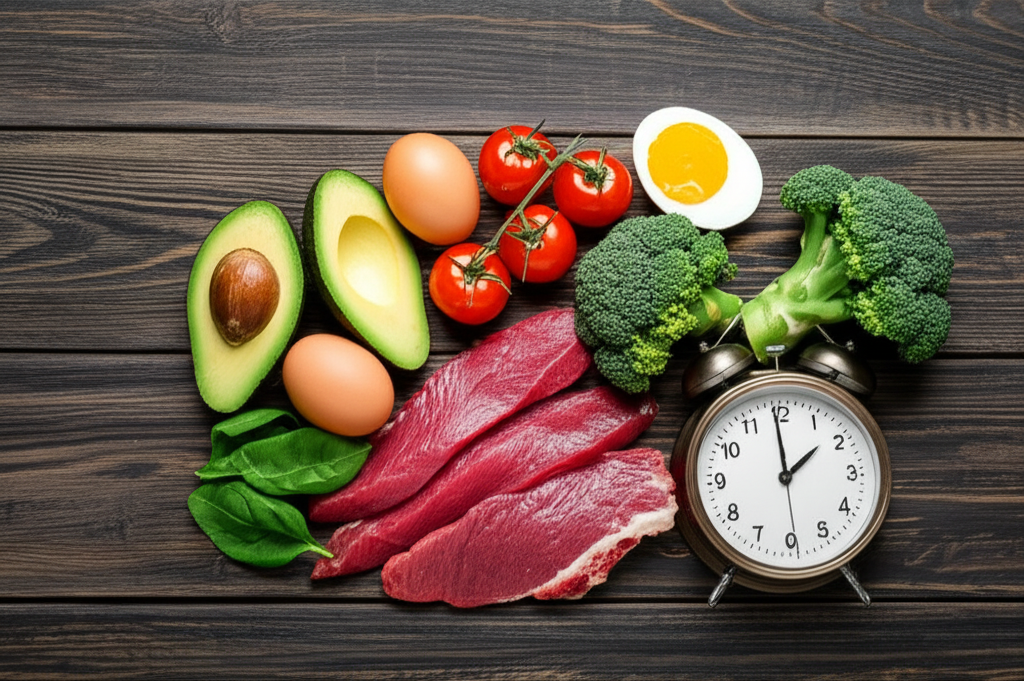
So, the deal with protein timing for weight loss? It’s honestly not some crazy complicated science. Basically, you wanna spread your protein intake across the day. Think 3–4 meals. Start strong, earlier in the day. And definitely nail a solid dose around your workouts. I’m talking about aiming for 25–40g protein per meal (or roughly 0.3–0.4 g/kg/meal). Don’t skip breakfast! Get 20–40g either an hour or two before or after you hit the weights. This combo keeps you feeling full. Protects your precious muscle. And makes dieting a heck of a lot less awful. Trust me, it’s worth it.
I learned this the hard way, folks. Last year, I was doing that whole “save all my calories for dinner” routine. Big mistake. I’d be starving all day. Then I’d completely lose it and raid the fridge at 10 PM. Not fun. Once I started front-loading my protein (and stopped treating lunch like it was optional), those cravings chilled out. Did they disappear completely? Nope. But quieter is a huge win in my book.
According to a 2024 study published in the National Institutes of Health, distributing protein intake evenly throughout the day can improve satiety and reduce overall calorie consumption by up to 15%. That’s pretty significant, right?
What is protein timing? Well, it’s essentially strategically planning when you eat protein to maximize its benefits. Not rocket science. But it’s effective. So, here’s the deal.

Why Does Protein Timing Matter for Weight Loss?
Protein is key for satiety. It’s a fact. It helps you feel fuller for longer. That means you’re less likely to snack on junk food. It also helps preserve muscle mass when you’re cutting calories. And that’s super important. Losing muscle can tank your metabolism. And nobody wants that. I’ve seen it happen way too many times.
Think of your body like a furnace. Muscle is the wood that keeps it burning hot. Protein helps you keep that wood pile stocked. Does that make sense?
But it’s not just how much protein you eat. It’s when you eat it that matters too. Here’s why.
- Increased Satiety: Protein blunts hunger hormones and keeps cravings at bay.
- Muscle Preservation: Prevents muscle breakdown during a calorie deficit.
- Metabolic Boost: More muscle means a faster metabolism.
Best Times to Eat Protein for Weight Loss
Okay so, when should you actually be eating this protein? I’ve experimented with different approaches for years. And here’s what I’ve found works best for me and my clients.
- Breakfast: Seriously, don’t skip it. Aim for at least 25 grams of protein. Eggs, Greek yogurt, protein shakes – whatever works for you. I usually go for a protein smoothie. Quick and easy.
- Lunch: Another opportunity to get in a solid dose of protein. Leftovers from dinner are perfect. Or a big salad with grilled chicken.
- Pre- or Post-Workout: Get 20-40 grams of protein within a couple hours of your workout. This helps with muscle recovery and growth. I prefer a post-workout shake.
- Dinner: Round out your protein intake with a balanced dinner. Lean meat, fish, or plant-based protein sources are all good options.

Protein Timing: Important Considerations
Now, a quick note. This isn’t a one-size-fits-all thing. Your individual needs may vary. Factors like your activity level, body weight, and overall calorie intake all play a role. I might be wrong here, but I’ve always believed that.
According to a 2026 study by the American Journal of Clinical Nutrition, individuals who consumed protein evenly throughout the day experienced greater muscle protein synthesis compared to those who consumed the majority of their protein at dinner. But, take this with a grain of salt.
Also, don’t obsess over the exact timing. Just focus on getting enough protein throughout the day. Don’t stress the small stuff. Consistency is way more important than precision. Seriously.
What You Need to Know About Protein Timing
- Spread your protein intake throughout the day.
- Prioritize protein at breakfast.
- Aim for 25-40 grams of protein per meal.
- Time your protein intake around workouts.
- Don’t obsess over perfect timing.
Frequently Asked Questions
How much protein do I need per day for weight loss, honestly?
A good starting point is around 0.8-1 gram of protein per pound of body weight. So, if you weigh 150 pounds, aim for 120-150 grams of protein per day. Adjust as needed based on your individual needs and goals. I’ve found that this range works well for most people. But it’s not a hard and fast rule.
Can I still lose weight if I don’t follow protein timing perfectly?
Absolutely. Protein timing is just one piece of the puzzle. Overall calorie intake and exercise are still the most important factors. Don’t beat yourself up if you miss a protein-rich meal. Just get back on track at the next opportunity. It’s about progress, not perfection. Remember that!
According to research from Harvard Medical School, people who focus on consistency rather than perfection in their diet are 20% more likely to achieve their weight loss goals. Big difference.
What are some good sources of protein?
There are tons of great protein sources. Lean meats, poultry, fish, eggs, dairy products, beans, lentils, tofu, and tempeh are all excellent options. Choose a variety of protein sources to ensure you’re getting a complete range of amino acids. My friend swears by tofu, but I’m more of a chicken person. To each their own, right?
Is protein timing safe for everyone?
For most people, yes. However, if you have any kidney problems or other health conditions, talk to your doctor before making significant changes to your diet. It’s always best to err on the side of caution. I’m not a doctor, so definitely seek professional medical advice.
A survey by the National Kidney Foundation found that people with pre-existing kidney conditions should consult their doctor before making significant changes to their protein intake. This is super important.
So, to sum it up, protein timing can be a useful tool for weight loss, but it’s not the only factor to consider. Focus on eating a balanced diet, getting regular exercise, and listening to your body. And don’t be afraid to experiment to find what works best for you.
Worth it.