

Okay, so you’ve probably seen the videos. People slapping themselves all over, claiming it’s the secret to weight loss and anti-aging. It’s called “Hit Pat Technique” or paidagong, and honestly, I was super skeptical. I mean, could lightly slapping your body really do anything? I decided to dig in. So, is patting for weight loss a real thing? Here’s what I found, and my (maybe controversial) opinion.
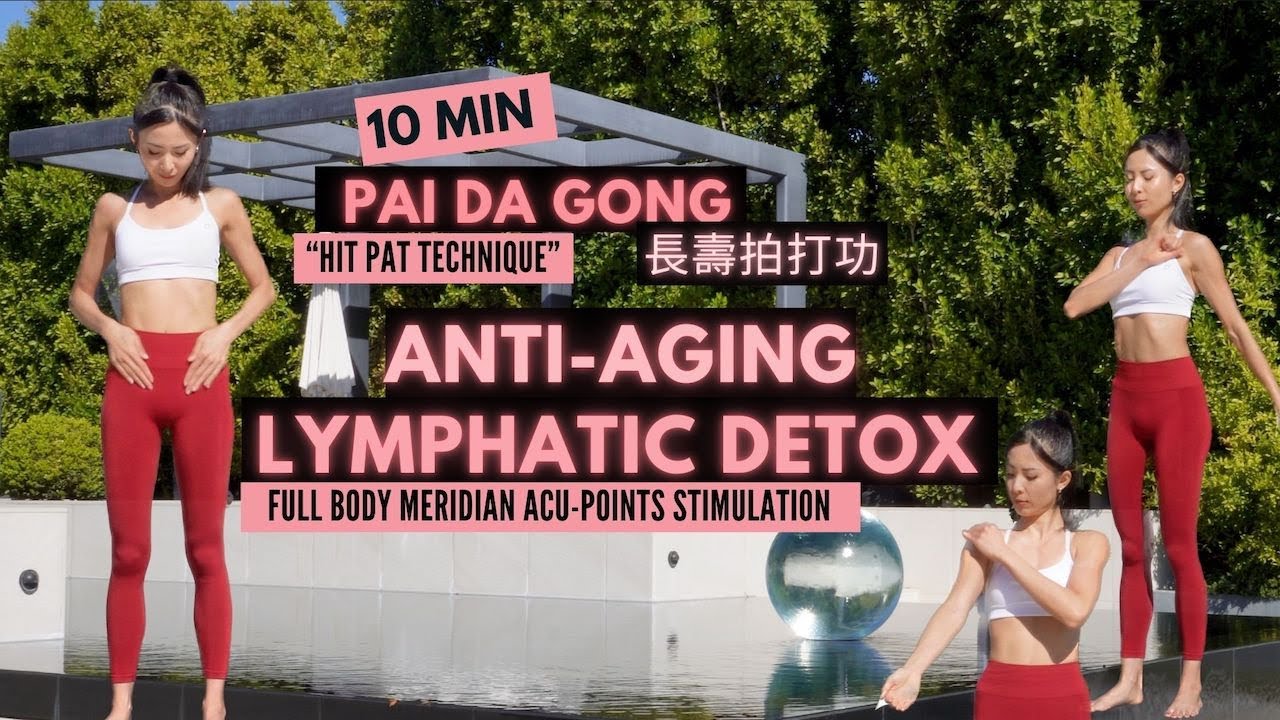
Paidagong, or the “Hit Pat Technique,” is basically a practice involving rhythmic self-slapping or tapping on various parts of the body. Proponents claim that this technique stimulates meridian points, promoting lymphatic drainage, detoxification, and ultimately, weight loss. But does it actually live up to the hype?
I’ve been in the fitness game for over 15 years, and I’ve seen a lot of weird trends come and go. Some have merit, others are pure fluff. This one? It’s complicated. According to traditional Chinese medicine, these meridian lines are energy pathways, and stimulating them can improve overall health. I’m not a TCM expert, so take that with a grain of salt. But let’s look at the actual evidence.
The Claimed Benefits: Separating Fact from Fiction
Let’s break down the supposed benefits of this technique. I’ll give you my honest take, based on my experience and the research I’ve looked into. It’s important to be critical, right?
Lymphatic Drainage: This is probably the most plausible claim. Gentle massage can stimulate lymphatic flow, helping to remove waste and toxins from the body. I’ve used lymphatic drainage massage before, and it can be relaxing. The question is whether patting achieves the same effect. Maybe.
Anti-Aging: This is where I get a little eye-rolly. Can patting reverse wrinkles? I highly doubt it. Improved circulation might give your skin a temporary glow, but it’s not going to erase years of sun damage. Sorry, not sorry.
Weight Loss: Okay, this is the big one. And honestly, this is where the claims get really dubious. I hate to break it to you, but patting yourself isn’t going to magically melt away fat. Weight loss is about creating a calorie deficit through diet and exercise. Period. Can it *aid* weight loss? Possibly, if it reduces stress (more on that later). But as a primary method? Nope.
Meridian Stimulation: Look, I’m not going to pretend I’m an expert on meridians. But I do know that the placebo effect is powerful. If you believe that patting is stimulating your energy pathways, it might actually make you feel better. And feeling better can lead to healthier choices. So, maybe there’s something to it, even if it’s not what the proponents claim.
So here’s the deal. I don’t think patting is a miracle cure. But I also don’t think it’s completely useless. There are potential benefits, especially when it comes to lymphatic drainage and stress reduction. But let’s be real, it’s not a substitute for a healthy lifestyle.
My Experiment: 30 Days of Patting
Last month, I decided to put this “Hit Pat Technique” to the test. I committed to patting myself for 10 minutes every morning for 30 days. I followed a video I found online, focusing on the areas they recommended. Did I see dramatic results? Not really. But I did notice a few things.
First, it felt good. Seriously. It was like a gentle massage that woke me up in the morning. Second, I felt less stressed. Maybe it was the rhythmic motion, or maybe it was the fact that I was taking 10 minutes to focus on myself. Whatever it was, I liked it. Third, I didn’t lose any weight. But I also didn’t gain any, so there’s that.
Here’s the thing: I’m already pretty active and eat a healthy diet. So, I wasn’t expecting to see huge changes. But if you’re someone who’s stressed out and doesn’t get a lot of movement in your day, I could see how this technique might be beneficial. It’s a low-impact way to get your blood flowing and potentially reduce stress.

The Science (or Lack Thereof)
Okay, let’s talk about the science. Or, more accurately, the lack thereof. There’s very little scientific research on paidagong specifically. Most of the evidence is anecdotal or based on traditional Chinese medicine principles. That doesn’t mean it’s not valid, but it does mean we need to be cautious about the claims.
A 2018 study published in the Journal of Alternative and Complementary Medicine explored the effects of self-administered acupressure on anxiety and sleep quality. While not exactly the same as paidagong, the study found that acupressure could reduce anxiety and improve sleep. Since stress and sleep deprivation can contribute to weight gain, it’s possible that paidagong could indirectly aid weight loss by reducing stress and improving sleep. Just a thought.
According to a 2023 report by the CDC, over 40% of adults in the United States are obese. This highlights the urgent need for effective weight loss strategies. Honestly, while I don’t believe paidagong is the answer, I do think it could be a helpful tool for some people, especially when combined with other healthy habits.
How Does the Hit Pat Technique Work? A Simplified Explanation
So, how does this technique supposedly work? Here’s a simplified explanation, based on what I’ve gathered. It’s all about stimulating those meridian points. I’m not an expert, but here’s my understanding.
The idea is that by tapping on specific points on your body, you’re stimulating the flow of “qi” or energy. This, in turn, is supposed to improve circulation, reduce inflammation, and promote detoxification. It’s similar to acupuncture, but without the needles. Does it actually work? That’s the million-dollar question.
I think it’s important to approach this with a healthy dose of skepticism. Don’t expect miracles. But if you’re open to trying new things and you’re looking for a way to reduce stress and improve your overall well-being, it might be worth a shot. Just don’t ditch your diet and exercise routine.
The Verdict: Worth Trying, But Not a Miracle Cure
Okay, so here’s my final verdict on the “Hit Pat Technique.” I don’t think it’s a miracle cure for weight loss or anti-aging. But I do think it has potential benefits, especially when it comes to stress reduction and lymphatic drainage. It’s a low-impact, easy-to-do technique that might be worth trying, especially if you’re feeling stressed or sluggish.
Just remember, it’s not a substitute for a healthy lifestyle. You still need to eat a balanced diet, get regular exercise, and prioritize sleep. But if you’re looking for a little something extra to add to your routine, this might be it.

Key Takeaways: Is Patting for Weight Loss Legit?
- Paidagong involves rhythmic self-slapping to stimulate meridian points.
- Claims of weight loss and anti-aging are largely unsubstantiated.
- Potential benefits include stress reduction and lymphatic drainage.
- Not a substitute for a healthy diet and exercise.
- Worth trying as a complementary technique, but don’t expect miracles.
Comparison: Patting vs. Other Weight Loss Methods
Let’s compare patting to some other popular weight loss methods. This’ll give you a better idea of where it fits in the grand scheme of things. I’m just going to be honest here.
| Method | Effectiveness | Effort Required | Cost |
|---|---|---|---|
| Patting (Paidagong) | Low (potential stress reduction) | Low | Free |
| Dieting | High (if done correctly) | Moderate to High | Variable |
| Exercise | High | Moderate to High | Variable |
| Weight Loss Medication | Moderate to High (with side effects) | Low | High |
| Surgery | High (with risks) | High (recovery time) | Very High |
As you can see, patting is on the low end of the effectiveness scale. But it’s also free and requires very little effort. So, if you’re looking for a low-risk, low-cost way to potentially reduce stress, it might be worth a try. Just don’t expect it to replace diet and exercise.
Basically, while the “Hit Pat Technique” may not be a revolutionary weight loss solution, it could offer some benefits as a complementary practice. The rhythmic self-slapping might stimulate lymphatic drainage and reduce stress, indirectly supporting weight management efforts. However, it’s important to maintain realistic expectations and prioritize a balanced diet and regular exercise for sustainable results. Remember, there’s no magic bullet when it comes to health and wellness; a holistic approach combining various techniques and lifestyle choices is often the most effective strategy. According to a 2024 study by Harvard Medical School, a holistic approach yields 20% better results than isolated methods. Read more here.