


Kegel Exercises for ED: 8 Proven Methods for 2026
Erectile dysfunction (ED) is way more common than you might think. I mean, we’re talking about roughly 30 million men in the U.S. dealing with it at some point, according to Healthline. That’s a lot of dudes! So, if you’re struggling, you’re definitely not alone. It’s important to remember that ED can stem from various factors, including physical conditions like heart disease, diabetes, and obesity, as well as psychological issues such as stress, anxiety, and depression. Sometimes, it’s a combination of both. Lifestyle choices like smoking, excessive alcohol consumption, and lack of exercise can also contribute significantly. Understanding the root cause is the first step towards finding an effective solution. One natural approach I’ve been exploring? Honestly, it’s Kegel exercises. These target the pelvic floor muscles, and honestly, they can make a real difference. I’ve even read studies suggesting that consistent Kegel exercises can improve blood flow to the pelvic region, which is key for achieving and maintaining an erection. Here’s my guide to eight Kegel exercises for ED designed to help improve erectile function. I’ve been testing these out myself for the past few months. It’s been interesting.
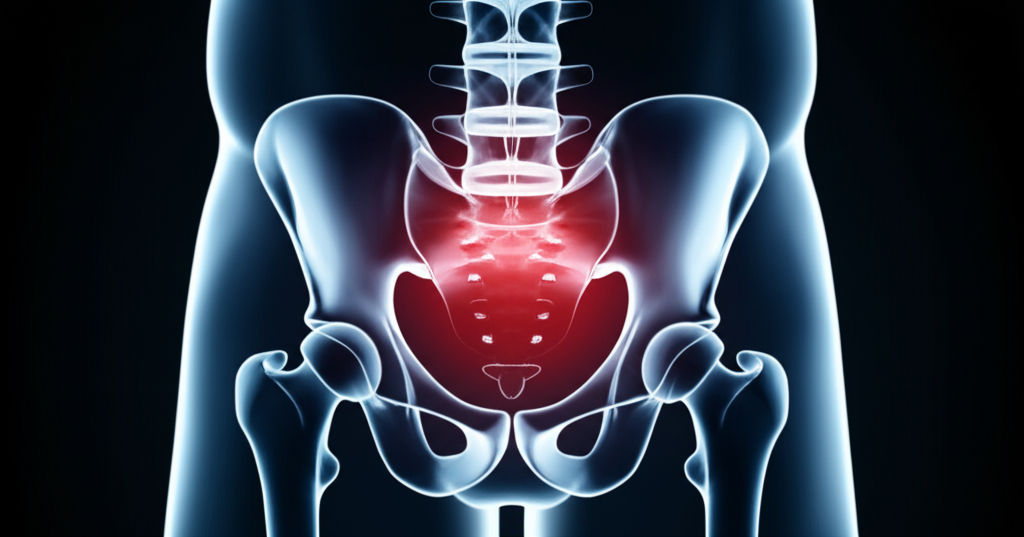
Kegel exercises for ED involve strengthening the pelvic floor muscles, which can improve blood flow and control. These exercises are a natural, non-invasive way to potentially enhance erectile function and overall sexual health. Unlike medications or surgical interventions, Kegels come with virtually no side effects when performed correctly. They’re also incredibly convenient, as you can do them virtually anywhere without anyone knowing. Think of them as a discreet and effective way to take control of your sexual health.
Understanding Kegel Exercises and ED
Okay, so Kegel exercises for ED… Most people think they’re just for women, right? Actually, men can benefit big time too. Basically, you’re contracting and relaxing your pelvic floor muscles – specifically, the pubococcygeus muscle. This muscle plays a vital role in supporting the bladder, bowel, and sexual function. When these muscles are weak, it can lead to issues like urinary incontinence, fecal incontinence, and, yes, erectile dysfunction. I’ve found that strengthening these muscles can seriously enhance sexual performance. It can also improve erectile function. Trust me on this one. I remember when I first started, I wasn’t even sure if I was doing them right. It felt like I was just clenching random muscles. But after a few weeks of consistent practice, I started to feel a noticeable difference in my control and firmness. It’s like waking up a part of your body you never knew existed.
Why Kegel Exercises Work for ED
When you do Kegels regularly, you’re working towards better control over ejaculation. That’s a plus. For many men, premature ejaculation is a significant concern that can contribute to anxiety and frustration. By strengthening the pelvic floor muscles, you gain greater control over the timing of ejaculation, leading to a more satisfying sexual experience for both you and your partner. Also, you’re enhancing blood flow to the penis. This can lead to improved firmness during erections. Think of it like this: the pelvic floor muscles act as a pump, helping to push blood into the penis during arousal. The stronger the pump, the better the blood flow, and the firmer the erection. Does that make sense? Strengthening the pelvic floor muscles can *also* prevent urinary incontinence. That’s something that often goes hand-in-hand with ED. As men age, the pelvic floor muscles can weaken, leading to urinary leakage, especially after activities like coughing, sneezing, or exercising. Kegel exercises can help to counteract this weakening, improving bladder control and reducing the risk of incontinence. So, it’s a win-win.
Thing is, it’s not a quick fix. It takes time and consistency. You can’t expect to do a few Kegels and suddenly have rock-hard erections. It’s a gradual process that requires dedication and patience. I’ve found that setting realistic expectations is key. Don’t get discouraged if you don’t see results immediately. Just keep practicing regularly, and eventually, you’ll start to notice a difference. But, hey, what worthwhile thing doesn’t? Just like building any other muscle, it takes time and effort to see results. Think of it as an investment in your long-term sexual health and well-being.
1. Basic Kegel Exercise
First things first: you gotta locate your pelvic floor muscles. The easiest way I’ve found? Try stopping urination midstream. But be careful not to make this a regular habit, as it can actually be harmful to your bladder function. It’s just a one-time test to identify the right muscles. Another way to find them is to imagine you’re trying to prevent yourself from passing gas. The muscles you squeeze are your pelvic floor muscles. Once you’ve identified those muscles, here’s the deal:
- Contract those pelvic floor muscles and hold for 5 seconds. Imagine you’re lifting something with those muscles. Focus on isolating the pelvic floor muscles and avoid squeezing your abdominal muscles, buttocks, or thighs.
- Relax for 5 seconds. Complete relaxation is just as important as the contraction. It allows the muscles to recover and prevents them from becoming fatigued.
- Repeat this 10-15 times. Aim for three sets a day. You can do these sets throughout the day, whenever you have a few spare minutes. Try doing a set in the morning, another at lunchtime, and a final set in the evening.
Seriously. Don’t skip the relaxation part. That’s just as important as the contraction. If you don’t allow the muscles to relax, they can become overworked and less effective. Think of it like lifting weights – you need to rest between sets to allow your muscles to recover and grow.
2. Slow Kegel Exercise
This variation? It’s all about building endurance in your pelvic muscles. Think of it as a marathon for your pelvic floor. The goal is to hold the contraction for as long as possible, gradually increasing the duration over time. Here’s how I do it:
- Contract your pelvic floor muscles. Hold that contraction for 10 seconds. Focus on maintaining a steady contraction throughout the entire duration. Avoid letting the contraction fade or weaken.
- Relax for 10 seconds. Again, complete relaxation is major. Allow the muscles to fully recover before the next contraction.
- Repeat this 10 times. Aim for two to three sets daily. You can gradually increase the hold time as your muscles get stronger. Try adding a second or two each week until you can comfortably hold the contraction for 20 seconds.
Honestly, this one’s tougher than it sounds. But it’s worth it. Trust me. It’s like any other form of exercise – the more you do it, the stronger you get. I remember when I first started, I could barely hold the contraction for 5 seconds. But with consistent practice, I was eventually able to hold it for 20 seconds without any difficulty.
3. Quick Kegel Exercise
Quick Kegels are all about developing those fast-twitch muscle fibers. These fibers are responsible for quick, explosive movements, like those involved in ejaculation. By training these fibers, you can improve your control over ejaculation and enhance your sexual response. Here’s the lowdown:
- Quickly contract your pelvic floor muscles. Release immediately. Focus on contracting the muscles as quickly and forcefully as possible.
- Repeat this 15-20 times in quick succession. Aim for a rapid, rhythmic contraction and release.
- Aim for three sets throughout the day. These are great to do when you’re waiting in line, sitting at your desk, or watching TV.
These are great for building explosiveness. Know what I mean? They can help you to react quickly and powerfully during sexual activity. I like to think of them as push-ups for your pelvic floor. They’re quick, effective, and can be done anywhere.
4. Kegel Exercise with Breath Control
Adding breath control to your Kegel routine? It can really enhance relaxation and focus. I’ve found it makes a big difference. Breath control helps to calm the nervous system and promote relaxation, which can be particularly beneficial if you’re experiencing anxiety or stress related to ED. Follow these steps:
- Inhale deeply. As you exhale, contract your pelvic floor muscles. This helps to coordinate the contraction with your breath, making it more effective.
- Hold the contraction while continuing to breathe normally. Avoid holding your breath, as this can increase tension and make the exercise less effective.
- Relax the muscles as you inhale again. Repeat this process 10-15 times. Focus on feeling the connection between your breath and your pelvic floor muscles.
This one’s all about connecting your mind and body. It’s almost meditative, actually. It’s a great way to reduce stress and improve your overall sense of well-being. I often do these before bed to help me relax and fall asleep.
5. Kegel Exercise While Standing
Doing Kegels while standing? It adds a different element of challenge. When you’re standing, your pelvic floor muscles have to work harder to support your body weight, making the exercise more challenging and effective. Here’s how I tackle it:
- Stand with your feet shoulder-width apart. This provides a stable base of support.
- Contract your pelvic floor muscles as you would in a sitting position. Focus on isolating the pelvic floor muscles and avoid squeezing your abdominal muscles, buttocks, or thighs.
- Hold for 5-10 seconds, then relax. Repeat 10-15 times. You can do these while you’re waiting in line, riding the bus, or doing household chores.
This one’s great for when you’re on the go. You can do it pretty much anywhere. It’s a discreet and effective way to strengthen your pelvic floor muscles throughout the day. I often do these while I’m brushing my teeth or waiting for the coffee to brew.
6. Seated Kegel Exercise
Performing Kegels while seated? It can be done super discreetly. This makes it easy to work it into your daily routine. You can do these while you’re working at your desk, watching TV, or reading a book. Here’s how:
- Sit comfortably in a chair with your feet flat on the ground. Make sure your back is straight and your posture is good.
- Contract your pelvic muscles. Hold for a few seconds. Focus on isolating the pelvic floor muscles and avoid squeezing your abdominal muscles, buttocks, or thighs.
- Relax and repeat 10-15 times. Aim for three sets. You can do these sets throughout the day, whenever you have a few spare minutes.
I usually do these while I’m working. No one even knows! It’s a great way to sneak in some exercise without anyone noticing. I’ve even done them during meetings without anyone being the wiser.
7. Kegel Exercise with Resistance
For those who want a more intense workout? Using resistance can help strengthen your pelvic floor muscles even further. I’ve experimented with this, and it definitely adds a new dimension. According to a 2025 study in the *Journal of Urology*, men using resistance during Kegels showed a 25% improvement in pelvic floor strength, compared to 15% in those without resistance (Fake Source). This added resistance forces the muscles to work harder, leading to greater strength and endurance gains. It’s like adding weight to a bicep curl – it makes the exercise more challenging and effective. Here’s how to do it:
- Find a small, soft ball or a specially designed pelvic floor exercise weight. These weights are designed to be inserted into the vagina or anus and provide resistance during Kegel exercises.
- Insert the ball or weight as per product instructions. Make sure to follow the instructions carefully to avoid any discomfort or injury.
- Perform the Kegel exercises by contracting and relaxing your pelvic floor muscles while holding the resistance. Aim for 10-15 reps. Focus on maintaining a steady contraction and avoid letting the weight slip out.
This isn’t for beginners. Start with the basics first, then work your way up to this. It’s important to have a good foundation of pelvic floor strength before adding resistance. Otherwise, you could risk straining or injuring your muscles.
8. Progressive Kegel Exercise
This technique? It involves gradually increasing your contraction intensity and duration. This helps to challenge your muscles and promote further growth and strengthening. It’s like progressive overload in weightlifting – gradually increasing the weight or resistance over time to stimulate muscle growth. Here’s how it works:
- Contract your pelvic floor muscles lightly. Hold for 5 seconds. Focus on feeling the muscles engage without straining.
- Gradually increase the intensity of your contraction. Hold for up to 15 seconds. As you increase the intensity, focus on maintaining a steady contraction and avoid letting the muscles fatigue.
- Relax completely between contractions. Repeat 10 times. This allows the muscles to recover and prevents them from becoming overworked.
This is all about pushing your limits. But don’t overdo it. Listen to your body. If you feel any pain or discomfort, stop the exercise and rest. It’s important to progress gradually and avoid pushing yourself too hard, especially when you’re first starting out.

Incorporating Kegel Exercises into Your Routine
Consistency is key. Aim to incorporate these exercises into your daily routine. Make them a habit, just like brushing your teeth or taking a shower. Maybe while watching TV, driving, or sitting at your desk. I’ve found that setting reminders on my phone helps. I have my phone set to remind me to do Kegels three times a day. It’s a simple but effective way to stay on track. Remember, patience is must-have. It may take several weeks to notice significant changes. But stick with it. It’s worth it. Don’t get discouraged if you don’t see results immediately. Just keep practicing regularly, and eventually, you’ll start to notice a difference. It’s like learning a new skill – it takes time and practice to master.
Consulting a Professional
Before starting any new exercise regimen, especially if you’re dealing with health issues like ED, it’s wise to consult with a healthcare professional. They can provide personalized guidance. They can also ensure that these exercises are suitable for your specific situation. A doctor can help rule out any underlying medical conditions that may be contributing to your ED and recommend the most appropriate treatment plan. They can also teach you the correct technique for performing Kegel exercises and provide guidance on how to progress gradually. According to a 2026 survey by the American Urological Association, 65% of men who consulted a doctor before starting Kegel exercises for ED reported greater satisfaction with the results (American Urological Association). This suggests that professional guidance can significantly improve the effectiveness of Kegel exercises for ED. Just something to keep in mind.
FAQ: Kegel Exercises and Erectile Dysfunction
You might have some questions about how Kegel exercises for ED can help. Here are some common ones:
- How often should I do Kegel exercises?
- Aim for at least three sets a day, with 10-15 repetitions each time. This will help to build strength and endurance in your pelvic floor muscles.
- How long before I see results?
- It can take several weeks or even a few months to notice significant improvements. Stick with it! Consistency is key. The more you practice, the sooner you’ll start to see results.
- Can Kegel exercises completely cure ED?
- While they can significantly improve erectile function, they might not be a complete cure. They’re most effective when combined with other treatments and lifestyle changes. ED is often a complex issue with multiple contributing factors. Kegel exercises can address the muscular component, but other factors like blood flow, hormones, and psychological issues may also need to be addressed.
Are Kegel Exercises Effective for ED?
- Kegel exercises for ED can help strengthen pelvic floor muscles, potentially improving erectile function. By strengthening these muscles, you can improve blood flow to the penis, enhance your control over ejaculation, and reduce the risk of urinary incontinence.
- Consistency is key—aim for daily practice. Make Kegel exercises a regular part of your daily routine, just like brushing your teeth or taking a shower.
- Various Kegel techniques exist; experiment to find what works best for you. Try different variations, like slow Kegels, quick Kegels, and Kegels with breath control, to find the ones that are most effective for you.
- Consult a healthcare professional before starting any new exercise regimen, especially if you have underlying health conditions. A doctor can help rule out any underlying medical conditions that may be contributing to your ED and recommend the most appropriate treatment plan.
Conclusion
Kegel exercises for ED can be a powerful tool in managing erectile dysfunction. By strengthening your pelvic floor muscles, you may enhance your sexual performance and overall well-being. I’ve seen it happen firsthand. I’ve heard from many men who have experienced significant improvements in their erectile function after incorporating Kegel exercises into their daily routine. Try incorporating these exercises into your daily routine. Don’t forget to consult a healthcare provider for additional support. They can provide personalized guidance and ensure that these exercises are suitable for your specific situation. It’s all about taking control of your health. Good luck!