


Best HIIT exercises for beginners are simple, low-skill moves (like marching high knees, step-back lunges, and incline push-ups) done in short bursts. You’ll usually work 20–30 seconds. Then you’ll rest 30–60 seconds. I like HIIT because it’s time-efficient, beginner-friendly when scaled, and it keeps your heart rate up without fancy gear. Start with 6–10 minutes, focus on form, and build from there. Worth it.
HIIT (High-Intensity Interval Training) is basically alternating hard efforts with planned recovery. Honestly, the “hard” part should feel hard for you, not for some fitness influencer who hasn’t walked upstairs out of breath since 2011. Over the last few years, I’ve coached friends, my brother, and a couple coworkers through their first sessions. The biggest mistake I keep seeing is going too intense too soon. Big mistake.
Quick note: I’m not your doctor, and I can’t see your knee history through the screen. If you’ve got chest pain, dizziness, or joint pain that’s more than “normal effort,” talk to a clinician first. Also, if you’re postpartum, on blood pressure meds, or returning from injury, I’d personally err on the cautious side. Boring, but smart. Really smart.
How do the best HIIT exercises for beginners work?
Intervals work because they let you rack up more high-effort time than you could in one steady push. In my experience, beginners do better with clear rules. For example, work for 20 seconds, rest for 40, repeat. Therefore, you get intensity and control. Meanwhile, the rest periods keep form from turning into chaos.
Another reason I love beginner HIIT is how scalable it’s. I can take one movement and make it easier in five seconds. Think smaller range of motion, slower tempo, or less impact. Similarly, I can make it harder later with speed, bands, or longer work intervals. That flexibility is pretty much why it sticks. Not even close to complicated.
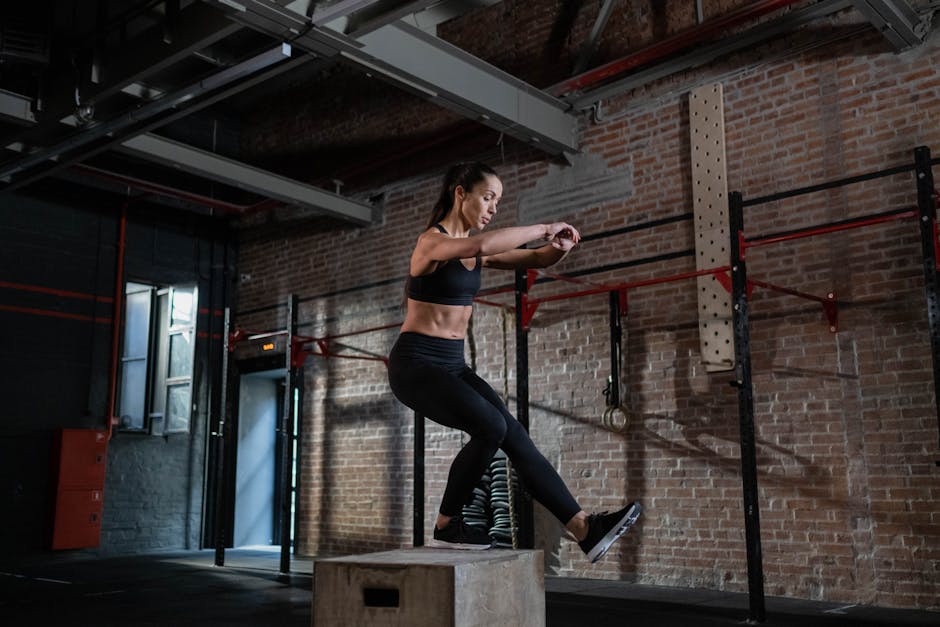
what’s the best HIIT format for beginners?
If you’re brand new, I’d start with a 1:2 work-to-rest ratio. For example, 20 seconds working and 40 seconds resting. Not sexy. Works anyway. So simple.
- Week 1: 6 rounds total (about 6 minutes of intervals), 2 days/week
- Week 2: 8 rounds total, 2–3 days/week
- Week 3: 10 rounds total, 3 days/week
- Week 4: keep 10 rounds, shorten rest slightly (20/35) if you feel good
I’ve tested this exact ramp-up on myself after a lazy winter (yes, I fell off—don’t judge). My heart rate stayed high, but my legs didn’t feel like cooked noodles the next day. That’s the sweet spot. Honestly, it’s the only way I’ll stick with it.
Also, you don’t need to copy “Tabata” right away. True Tabata is 20 seconds all-out and 10 seconds off, repeated 8 times. That’s brutal if you’re new. The American Council on Exercise breaks down HIIT programming really clearly, and I still reference it when I’m planning sessions: ACE Fitness research & articles. For a deeper physiology read, the American College of Sports Medicine (ACSM) is also a solid starting point.
My top 10 best HIIT exercises for beginners (minimal equipment)
Okay so, these are the moves I keep coming back to because they’re simple to learn and easy to scale. I’m listing modifications because pretending everyone can jump is… silly. Wouldn’t you rather finish feeling proud? I might be wrong here, but I’d rather you complete a session than quit because your shins hate you. Big difference.
- Marching high knees (or fast high knees)
- Make it easier: march with a tall posture
- Make it harder: speed it up and pump arms
- Step jacks (step out instead of jump)
- Easier: smaller steps
- Harder: full jumping jacks
- Bodyweight box squat (sit-to-stand from a chair)
- Easier: higher chair, controlled tempo
- Harder: lower chair, faster up / slow down
- Incline push-up (hands on counter/bench)
- Easier: higher incline
- Harder: lower incline or knee push-up on floor
- Glute bridge
- Easier: pause at top for 1 second
- Harder: add a resistance band around knees (I use a basic resistance bands set at home)
- Step-back lunge
- Easier: shallow lunge, hold a wall
- Harder: add a knee drive on the way up
- Mountain climbers (slow)
- Easier: hands on bench (incline)
- Harder: speed up while keeping hips stable
- Dead bug
- Easier: move one limb at a time
- Harder: straighten legs fully without arching back
- Plank shoulder taps
- Easier: wider feet, slow taps
- Harder: feet together, faster rhythm
- Low-impact burpee (no jump)
- Easier: step back to plank, step forward, stand
- Harder: add a small hop at the top
Form matters. Seriously. I’d rather you do 6 clean reps than 20 floppy ones. If you’re unsure, film one set from the side and check if your spine stays neutral and your knees track roughly over toes. Actually, that little video check fixes a lot.
How I structure a 12-minute beginner HIIT session
Here’s a routine I’ve personally used after travel weeks when my steps drop and my mood gets weird. It’s short. It’s repeatable. And it doesn’t wreck me. Also, it fits real life. Finally. You might also enjoy our guide on Walking Pad Weight Loss: A Real 4-Week Desk Treadmill Plan.
- Warm-up (3 minutes): easy marching, arm circles, hip hinges, 3 slow squats
- Main set (8 minutes): 20 seconds work / 40 seconds rest × 8 rounds
- Cool-down (1 minute): slow breathing, gentle quad stretch, calf stretch
Main set exercise rotation: step jacks → box squats → incline push-ups → step-back lunges (repeat). Easy to remember. Therefore, you won’t waste time staring at your phone mid-workout. So you’ll just start.
Does HIIT actually help with weight loss?
Yes, but not in the magical way people sell it. HIIT can help you burn calories and improve fitness fast. However, weight loss still comes down to overall energy balance and consistency. I honestly hate when people act like one workout style “melts fat” while you eat like a raccoon at midnight. Been there. Really.
What HIIT does well is boost adherence for busy people. Short sessions remove excuses. And, it can improve cardiorespiratory fitness efficiently. That often makes daily movement easier too. Pretty nice, right?
Stats time (because vibes aren’t enough):
- According to a 2019 systematic review in British Journal of Sports Medicine, HIIT produced similar body fat reductions to moderate-intensity continuous training, while often taking less time.
- Research from JAMA Network (a 2018 pooled analysis) reported that meeting the guideline level of physical activity was linked with 31% lower all-cause mortality risk versus being inactive.
- CDC guidance notes that adults generally need 150 minutes of moderate activity (or 75 minutes vigorous) weekly, plus strength work; HIIT can help you hit the vigorous bucket if it’s programmed safely: CDC Physical Activity Guidelines.
Take this with a grain of salt: studies vary a lot. Protocols differ. Diet tracking differs. Still, the pattern I’ve seen with my own training and with people I’ve helped is clear. This style works best when you pair it with decent protein, sleep, and a plan you’ll actually repeat. That’s it.
Beginner mistakes I keep seeing (and how I fix them)
I’ve made all of these. So yeah, I’m calling myself out too. Honestly, it’s relatable.
- Going “all-out” on day one: Instead, aim for an RPE of 7/10 for the first two weeks.
- Skipping warm-ups: Do 3 minutes. Your joints will thank you.
- Choosing high-impact moves only: Mix in low-impact intervals to protect shins and knees.
- No progression plan: Add rounds first, then reduce rest, then increase intensity.
- Chasing sweat as the goal: Sweat is temperature regulation, not a fat-loss scoreboard.

My simple progression plan for 2026 (so you don’t stall)
Moving on. If you do the same intervals forever, your body adapts and the “wow” fades. That’s normal. The fix isn’t suffering more; it’s progressing smarter. So you’ll feel challenged, not crushed. For more tips, check out Cold Weather Walking Wear: What to Wear for Weight Loss (Lay.
| Week | Work/Rest | Rounds | Notes |
|---|---|---|---|
| 1 | 20/40 | 6 | Low impact only |
| 2 | 20/40 | 8 | Add one strength move |
| 3 | 25/35 | 8 | Keep form strict |
| 4 | 30/30 | 8–10 | Optional band work |
Not gonna lie, week 4 is where people get cocky. I did too. If your knees start barking, pull the impact down and keep the intensity via tempo or bands. Pain isn’t a badge. Really.
Video: follow-along options (I use these on low-motivation days)
Some days I can program my own workout. Other days, I just need someone to tell me what to do for 12 minutes. Sound familiar? A follow-along video can be a lifesaver. However, I still recommend pausing if form breaks. You’re in charge.
Quick recap (what I’d tell my friend)
This is the part I’d text you.
- Best HIIT exercises for beginners are low-skill and easy to scale; start low-impact and earn the jumps later.
- Use 20/40 intervals for the first two weeks, then progress slowly.
- Fat loss comes from consistency + food habits; HIIT helps, but it’s not magic.
- Film your form sometimes. It’s awkward. It works.
Updated: February 2026. Also, if you want a quick internal jump to another beginner-friendly routine, I keep one on my site here: beginner home workout.
[content-egg-block template=offers_list]
Frequently Asked Questions
What are the best HIIT exercises for beginners at home?
The best HIIT exercises for beginners at home include marching high knees, step jacks, chair squats, incline push-ups, glute bridges, and step-back lunges. I like these because they’re low-skill, low-equipment, and easy to scale. Start with 20 seconds work and 40 seconds rest. Honestly, that’s plenty.
How many days a week should beginners do HIIT?
Most beginners do well with 2 days per week for the first 2 weeks, then 3 days per week if recovery is good. I wouldn’t stack HIIT daily at the start because soreness and fatigue can spike. Keep at least one rest day between sessions whenever possible. You’ll recover better.
How long should a beginner HIIT workout be?
A beginner HIIT workout can be 10–15 minutes total, including warm-up and cool-down. I usually program 6–10 rounds of intervals first, which keeps intensity high without wrecking form. Longer sessions can work later, but early on they often turn into sloppy cardio. Not fun.
Is HIIT safe for overweight beginners?
HIIT can be safe for overweight beginners if it’s low-impact, scaled, and progressed gradually. I’d choose step jacks over jumps, incline moves over floor planks, and longer rest periods. However, anyone with medical concerns or pain should get personalized advice from a clinician or PT first. That’s just smart.
Do I need equipment for beginner HIIT?
No, you don’t need equipment for beginner HIIT, although a chair, a wall, or a countertop can help with scaling. I also like adding resistance bands once basics feel stable, because bands increase difficulty without extra impact. Start bodyweight, then add tools as confidence grows. Easy win.