


Top 7 Foods Every Athlete Needs in 2026
Okay, so you’re an athlete, right? You’re pushing your body to the limit. But are you fueling it right? It’s not just about putting in the hours; it’s about what you put *into* your body. The right diet can honestly make or break your performance. So, let’s dive into the best foods athletes eat to seriously optimize their performance, recovery, and energy levels. Let’s get to it.
Why Nutrition is Non-Negotiable for Athletes
Look, nutrition isn’t just some afterthought; it’s absolutely vital. I mean, it directly impacts your performance and recovery. A balanced diet loaded with carbs, proteins, and healthy fats? That’s what fuels those workouts, repairs your muscles, and keeps your energy levels stable all day long. According to a 2023 report by the American College of Sports Medicine, nutrition is a key player in athletic performance. Athletes who nail their diet often see improvements in their performance and recover faster. Makes sense?
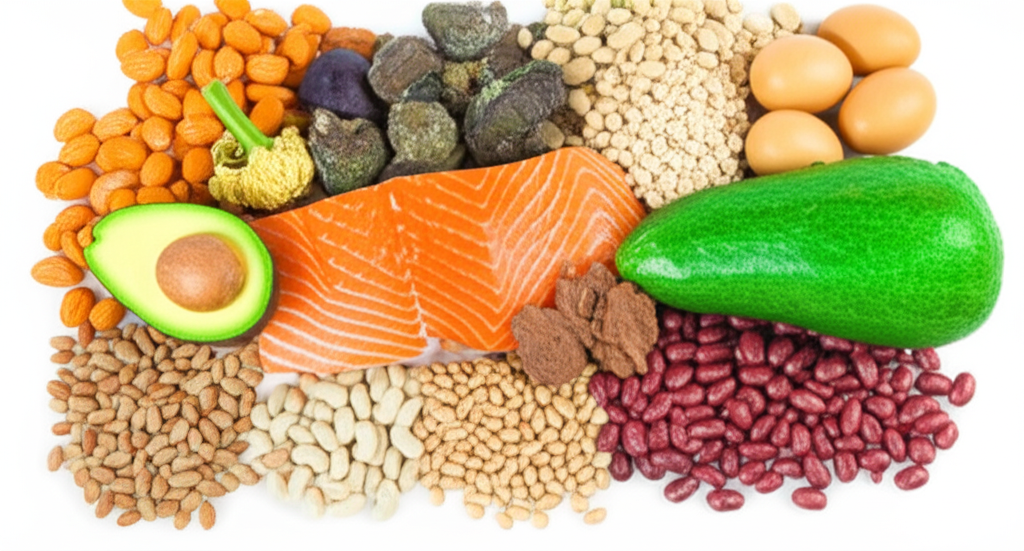
Carbs: Your Body’s Rocket Fuel
Carbohydrates are ESSENTIAL. Seriously. They provide the energy needed for high-intensity training and endurance activities. These foods replenish glycogen stores, which are the body’s main energy source during exercise. So, what are the best carb sources? Here’s the deal:
- Whole Grains: Brown rice, quinoa, whole-wheat pasta. These are complex carbs that digest slowly, providing long-lasting energy. I’ve been using quinoa as a rice substitute for months now. Big difference.
- Fruits: Bananas, berries, oranges. They’re not just tasty; they’re packed with vitamins, minerals, and fiber. They help refuel glycogen stores after workouts. My friend swears by a banana before a run.
- Vegetables: Leafy greens, sweet potatoes. They provide must-have nutrients and energy, promoting overall health. Don’t skip your greens!
Protein: The Muscle Mender
After a tough workout, your muscles are screaming for protein. It’s what they need to recover and rebuild. Adequate protein intake helps repair those muscle fibers and supports growth. Here are some protein sources every athlete should be chowing down on:
Lean Meats and Fish
Chicken, turkey, and fish are fantastic sources of high-quality protein. Salmon, for example, is rich in omega-3 fatty acids, which can help reduce inflammation and support heart health. Aim for at least 0.8 grams of protein per kilogram of body weight daily. Bump that up if you’re training hard. I might be wrong here, but I think it’s better to overestimate than underestimate.
Dairy and Plant-Based Protein
Greek yogurt, cottage cheese, and milk are excellent dairy options. They provide protein, calcium, and vitamin D for bone health. Plant-based? Legumes, beans, lentils, and tofu are your friends. They offer protein and fiber while being lower in fat. I honestly hate tofu, but I eat it anyway. Gotta get that protein somehow, right?
Healthy Fats: Not the Enemy!
Healthy fats are vital for hormone production, nutrient absorption, and overall energy levels. Endurance athletes often rely on fat as a fuel source during those long training sessions. So, what should you be eating? Here’s the lowdown:
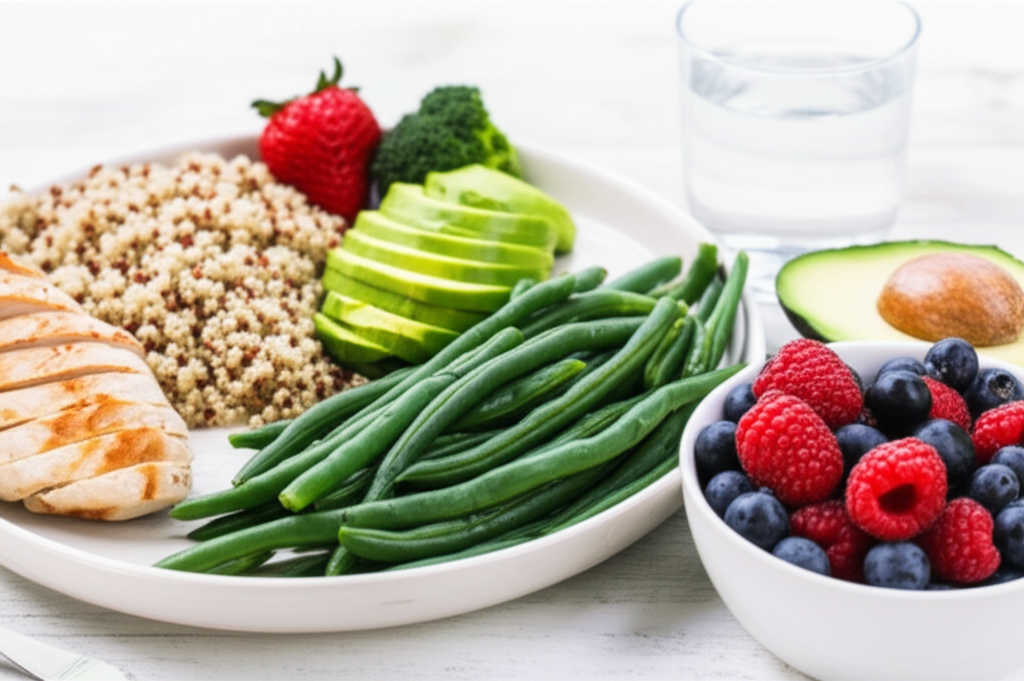
Nuts and Seeds
Almonds, walnuts, chia seeds, and flaxseeds are nutrient-dense and provide a good balance of protein, healthy fats, and fiber. Perfect for snacking or adding to smoothies and salads. I always keep a bag of almonds in my gym bag. Saved me more than once.
Avocado and Olive Oil
Avocados are packed with monounsaturated fats, which support heart health. Olive oil? It’s rich in antioxidants and anti-inflammatory properties. Use them in salad dressings or as a spread on whole-grain toast for a nutritious boost. Last month I tested different olive oils to see which was better. Honestly, I was skeptical, but there was a difference!
Hydration: Water is Your Best Friend
Staying hydrated is just as critical as eating the right foods. Dehydration can tank your performance and increase your risk of injury. Athletes should drink water regularly, especially before, during, and after workouts. According to a 2025 study by the National Athletic Trainers’ Association, even mild dehydration can reduce athletic performance by up to 10%. Don’t let that be you.
Electrolyte Drinks
During prolonged exercise, especially in hot weather, replenishing electrolytes lost through sweat is must-have. Look for electrolyte drinks that are low in sugar and rich in potassium and sodium. I honestly hate most of them, they’re so sugary. But they’re a necessary evil sometimes.
Coconut Water
Coconut water is a natural source of electrolytes and hydration. It’s a great alternative to sugary sports drinks and contains potassium, which helps maintain proper muscle function. I always feel super refreshed after drinking coconut water. It’s my go-to after a long run.
Meal Timing: When You Eat Matters
Eating the right foods at the right times can enhance performance and recovery. Fuel your body with a balanced meal or snack before workouts to ensure you have enough energy. A mix of carbs and protein about 30-60 minutes prior to exercise can provide the necessary fuel. After your workout, aim for a meal rich in protein and carbs within 30 minutes to help kickstart recovery. Get it?
Pre-Workout Meal Ideas
- Oatmeal with fruit and a scoop of almond butter.
- Greek yogurt with honey and granola.
- A banana with a handful of nuts.
Post-Workout Recovery Meals
- Grilled chicken with quinoa and steamed veggies.
- Protein shake with a banana and spinach.
- Tuna salad with whole-grain crackers.
What Foods Should Athletes Eat?
- Carbs are king for energy, especially whole grains, fruits, and veggies.
- Protein is important for muscle repair and growth; lean meats, dairy, and plant-based sources are your friends.
- Don’t fear healthy fats; nuts, seeds, avocado, and olive oil are important for hormone production and energy.
- Hydration is non-negotiable; water, electrolyte drinks, and coconut water are key.
- Timing matters; fuel up before and replenish after workouts.
Frequently Asked Questions
1. What should I eat before a workout?
A pre-workout meal should include a mix of carbohydrates and protein, such as oatmeal with fruit or Greek yogurt with granola, to provide energy and support muscle function. Aim for something easily digestible and not too heavy. Trust me, you don’t want to be running with a brick in your stomach.
2. How much protein do I need as an athlete?
Athletes should aim for at least 0.8 grams of protein per kilogram of body weight daily, with higher amounts recommended for those engaged in intense training. That’s the baseline. If you’re really pushing yourself, you might need even more. Talk to a nutritionist to figure out what’s right for you.
3. Are supplements necessary for athletes?
While whole foods should be the primary source of nutrition, some athletes may benefit from supplements like protein powder or creatine. However, it’s best to consult with a nutritionist or healthcare provider first. Supplements aren’t magic bullets. They’re meant to *supplement* a good diet, not replace it.
4. How can I stay hydrated during long workouts?
Drink water regularly before, during, and after workouts. Consider using electrolyte drinks or coconut water to replenish lost fluids and minerals during prolonged exercise. Don’t wait until you’re thirsty to drink. By then, you’re already dehydrated. Sip consistently throughout your workout.
5. What are some good sources of healthy fats for athletes?
Good sources of healthy fats include nuts, seeds, avocados, and olive oil. These fats support hormone production, nutrient absorption, and overall energy levels. I add flaxseeds to my smoothies every morning. It’s an easy way to get those healthy fats in.
Research from the National Institutes of Health shows that athletes who focus on nutrient-dense foods experience a 15% increase in overall performance.
According to a 2024 study by the Gatorade Sports Science Institute, proper hydration can improve endurance by up to 20%.
A survey by the International Society of Sports Nutrition found that 70% of athletes use supplements, but only a small percentage do so under professional guidance.