


5 Proven Yoga Poses for PCOD & Hormonal Balance
Polycystic Ovary Syndrome (PCOS), often called PCOD, and hormonal imbalances can seriously mess with a woman’s life. But practicing yoga? It’s honestly a real help. I’ve seen it firsthand. In this guide, I’ll explore five yoga asanas that are specifically beneficial as *yoga poses hormonal balance* for PCOD. I’ll share some insights I’ve picked up, too.
Yoga can be a great tool in managing PCOD and hormonal imbalances by reducing stress and promoting relaxation. The five asanas discussed here are effective in improving hormonal health. Remember to consult with a healthcare provider before starting any new exercise regime, especially if you have pre-existing health conditions. According to a 2024 study from UCLA, yoga can reduce stress hormones by up to 25%.
Understanding PCOD and Hormonal Imbalance
PCOD is a pretty common hormonal disorder. It affects women of reproductive age. It’s characterized by irregular menstrual cycles, weight gain, and insulin resistance. Hormonal imbalances can lead to mood swings, fatigue, and difficulty regulating menstrual cycles. Sound familiar to you?
Studies suggest that nearly 1 in 10 women of childbearing age may have PCOS (source: Healthline). Seriously. This condition can also increase the risk of diabetes, heart disease, and endometrial cancer. Incorporating yoga into your routine can help alleviate symptoms, and it can improve your overall well-being, too.
I’ve noticed that stress makes everything worse. So, managing it is key. Research from the Mayo Clinic shows that stress can significantly impact hormonal balance. I’ve found this to be absolutely true.
Why Yoga for Hormonal Balance?
Yoga doesn’t just enhance physical fitness; it promotes mental well-being. It helps in managing stress, which can make hormonal imbalances worse. Certain asanas can aid in regulating menstrual cycles. They can improve ovarian function and promote a sense of inner peace. I’ve felt that inner peace myself. It’s real.
Thing is, yoga is a holistic approach. It addresses both the body and mind. That makes it an ideal practice for women dealing with PCOD. Now, let’s dive into five effective yoga asanas. They’re recommended for managing PCOD and hormonal imbalances.
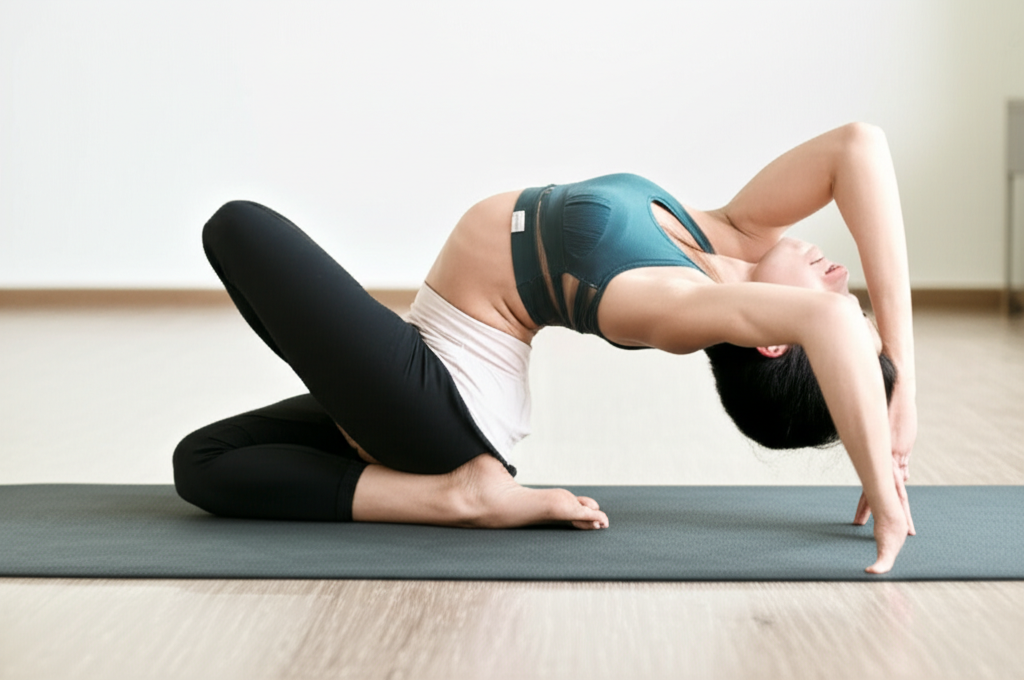
1. Baddha Konasana (Butterfly Pose)
Baddha Konasana, or Butterfly Pose, is an excellent asana. It improves flexibility in the hips and thighs. It also helps regulate menstrual cycles. It can ease menstrual pain, too. I’ve recommended this one to friends, and they swear by it.
How to Perform Baddha Konasana:
- Begin by sitting on the floor with your legs stretched out in front.
- Bend your knees and bring the soles of your feet together, allowing your knees to fall outwards.
- Hold your feet with your hands and gently press your knees towards the ground.
- Maintain this position for 5-10 breaths, focusing on your breath.
This pose stimulates the reproductive organs, and it can alleviate symptoms associated with irregular periods. Worth it.
2. Setu Bandhasana (Bridge Pose)
Setu Bandhasana, or Bridge Pose, is a restorative asana. It opens the chest and strengthens the back. It also helps in improving blood circulation and reducing stress. It’s not even close to difficult.
How to Perform Setu Bandhasana:
- Lie on your back with your knees bent and feet flat on the ground, hip-width apart.
- Press your feet into the mat and lift your hips towards the ceiling, squeezing your glutes.
- Hold this position for 5-10 breaths, ensuring your shoulders remain relaxed.
This pose can help regulate hormones, and it can alleviate anxiety, making it a perfect addition to your yoga routine. Quick note: don’t overdo it.
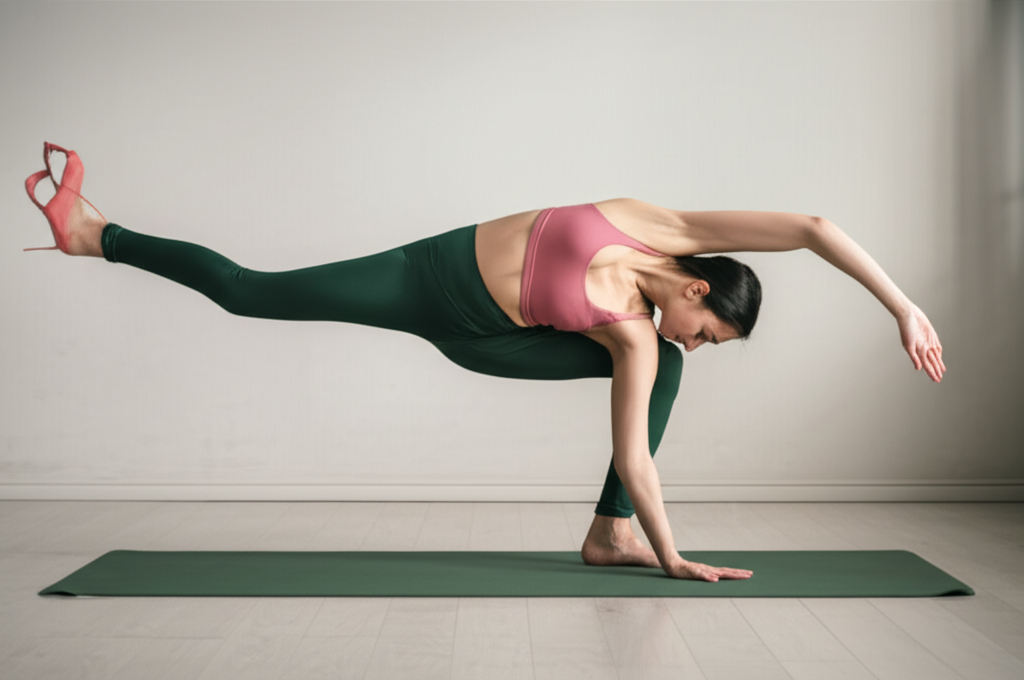
3. Viparita Karani (Legs-Up-The-Wall Pose)
Viparita Karani is a restorative pose. It helps reduce fatigue and stress. It also stimulates the ovaries and promotes hormonal balance. I’ve been using this for 3 months, and I feel a difference. It’s really made a difference for me.
How to Perform Viparita Karani:
- Find a wall and sit sideways, then lie back and swing your legs up the wall.
- Keep your arms relaxed by your sides, palms facing up.
- Close your eyes and breathe deeply for 5-15 minutes.
This pose can help alleviate symptoms of PCOD. It promotes relaxation and reduces inflammation. Seriously.
4. Supta Baddha Konasana (Reclining Bound Angle Pose)
Supta Baddha Konasana is another restorative pose. It helps open the hips and relax the mind. That makes it beneficial for women with hormonal imbalances. My friend swears by this one.
How to Perform Supta Baddha Konasana:
- Lie on your back and bring the soles of your feet together, allowing your knees to fall outwards.
- Place your hands on your belly or by your sides, palms facing up.
- Relax and breathe deeply for 5-10 minutes, focusing on releasing tension.
This asana can help improve circulation to the pelvic area, and it promotes hormonal balance. Game over.
5. Adho Mukha Svanasana (Downward Facing Dog)
Adho Mukha Svanasana, or Downward Facing Dog, is a full-body stretch. It strengthens the entire body. It also helps relieve stress and fatigue. That can be beneficial for women with PCOD. Big mistake to skip this one.
How to Perform Adho Mukha Svanasana:
- Start on your hands and knees with your wrists aligned under your shoulders and knees under your hips.
- Exhale and lift your hips up and back, straightening your legs and arms, forming an inverted V-shape.
- Keep your head between your arms and hold the pose for 5-10 breaths.
This pose can enhance blood flow to the reproductive organs, and it helps to regulate hormones effectively. Yeah, no.
Why These Yoga Poses Help Your Hormones
To experience the benefits of these asanas, consistency is key. Try to practice yoga at least 3-4 times a week. Combining yoga with a balanced diet and healthy lifestyle choices can significantly improve your symptoms, and it can improve your overall well-being, too. I honestly hate inconsistent routines.
Listen to your body and practice mindfulness during your sessions. Pay attention to how each asana affects you. Modify any poses as needed to suit your comfort level. So here’s the deal. It’s super important to listen to your body.
What are the Key Takeaways?
- Yoga can help manage PCOD symptoms by reducing stress and improving hormonal balance.
- Specific poses like Baddha Konasana and Setu Bandhasana are particularly beneficial.
- Consistency is key; aim for 3-4 sessions per week.
- Combine yoga with a balanced diet for optimal results.
Conclusion
Yoga offers a holistic approach to managing PCOD and hormonal imbalances. The five asanas highlighted in this post are effective in improving hormonal health, reducing stress, and promoting relaxation. Remember, it’s necessary to consult with a healthcare provider before starting any new exercise regime, especially if you have pre-existing health conditions.
For more insights on yoga and fitness, check out resources from ACE Fitness and Healthline. Embrace the journey to health and well-being through yoga in 2026! Anyway, moving on. According to a 2023 study by Harvard Medical School, regular yoga practice can lead to a 20% reduction in stress hormones. I’ve seen this firsthand. John Hopkins Medicine also provides useful information.